


Buyer Value Option Relocation Program: HR Guide


When a company asks someone to relocate, one of the biggest obstacles is their home. If it won't sell - or the market is slow - the employee is managing two properties, two mortgages, and a lot of stress before they've even started the new job.
That's the problem relocation home sale programs are designed to solve. A clear path to selling the current home helps people reach their new location faster, with less disruption for everyone.
The most widely used approach today is the buyer value option relocation model - it uses the open market to set the price, which is fair to the employee and predictable for the company. This guide walks HR teams through how it works, how it compares to other options, and what you need in place to run it well.
What Is a Relocation Home Sale? Core Definitions for HR
In the corporate context, a relocation home sale is a company-sponsored benefit where the employer helps an employee sell their primary home so they can move for work. The goal is simple: the employee shouldn't have to carry two mortgages or wait six months for a closing before they can actually focus on their new job.
What is a relocation home sale in practice? Most programs follow one of three models:
- Direct reimbursement. The employee sells the home themselves, and the company covers closing costs. The simplest option, but all the risk sits with the employee, and there's no tax benefit for the company.
- Amended value. The company sets a baseline through appraisal, but the employee still seeks a better offer on the market.
- Buyer value option. The most common hybrid approach - and the focus of this guide.
The buyer value option lets the employee list their home and find a real buyer. At the same time, the company steps in through a relocation management company (RMC) to complete the transaction in a structured, tax-efficient way.
Buyer Value Option (BVO) Home Sale: How It Works Step by Step
The BVO home sale process follows a clear sequence from the moment an employee is approved for relocation.
Phase 1: Listing and marketing. The employee lists their home with a real estate agent - usually one from the RMC's preferred network. The RMC guides pricing and how to present the home. The clock starts here, and the goal is to find a genuine outside buyer as quickly as possible. This phase is where the market sets the price, a defining feature of the buyer-value option relocation model.
Phase 2: The outside offer. When a buyer makes an offer, the employee doesn't sign anything. Instead, they pass the offer to the RMC for review. The RMC checks that the offer is legitimate, that the buyer is qualified, and that there are no unusual conditions attached.
Phase 3: The two-step transaction. This is what makes the BVO home sale different from a regular sale. To qualify as a corporate transaction - which is what creates the tax advantage - the sale has to happen in two steps:
- Contract one: The RMC buys the home from the employee at the same price the outside buyer offered.
- Contract two: The RMC then sells the home to the outside buyer.
By the time contract one is signed, the employee is done. They get their equity and can move to the new city. The RMC handles the final closing with the external buyer on its own timeline. The employee never has to sit at a closing table waiting for a buyer to show up.
This structure makes the buyer value option relocation tax-efficient - the transaction flows through the company rather than directly between the employee and the outside buyer. Hence, the IRS treats it differently, and the employee avoids a large taxable windfall.
Relocation Home Buyout vs. BVO: What HR Should Know
A common point of confusion is the difference between a BVO home sale and a relocation home buyout. They're related, but they serve different purposes.
A relocation home buyout - sometimes called a guaranteed buyout - means the company agrees to buy the employee's home at a price based on independent appraisals, regardless of whether an outside buyer has been found. The employee doesn't have to wait for the market. The company makes an offer, and the employee can accept it and move on.
Here's how the two compare:
The relocation home buyout is more expensive for the employer because if no outside buyer materializes, the company owns the property - along with the maintenance, taxes, insurance, and eventual resale costs that come with it.
Most companies use a hybrid: start with a BVO period to let the market work, then offer a relocation home buyout as a backstop if the home hasn't sold after a set number of days - peace of mind for the employee, manageable costs for the company.
Benefits and Risks of Buyer Value Option Relocation Programs
Relocation home-sale programs aren't one-size-fits-all, and implementing one comes with real trade-offs. Here's an honest look at both sides.
The benefits:
- Speed of deployment. When employees know their home situation is handled, they're much more willing to move quickly. Eliminating that obstacle makes the whole relocation smoother.
- Tax efficiency. When a buyer values the option relocation correctly, the costs of the home sale are treated as business expenses rather than taxable income for the employee. This avoids the need for a large tax gross-up, saving the company thousands of dollars per move.
- Better experience for the employee. They get their equity faster than in a traditional sale, without the stress of managing negotiations, closing delays, or buyer contingencies.
The risks:
- Fall-through risk. If the outside buyer backs out after the RMC has already purchased the home from the employee, the company is holding the property. This is why vetting the outside buyer carefully before completing contract one is non-negotiable.
- Compliance complexity. The IRS has specific requirements (Revenue Ruling 2005-74) for documenting these transactions. Sloppy paperwork can disqualify the tax benefits entirely, which defeats the purpose.
- Vendor dependency. A buyer's value of an option relocation lives or dies on the quality of your RMC. If they're not managing the real estate agents and title companies effectively, costs can spiral fast.
Good relocation home sale programs find a balance - generous enough to make the move attractive to the employee, but with clear limits on what the company will absorb in carrying costs or loss-on-sale situations.
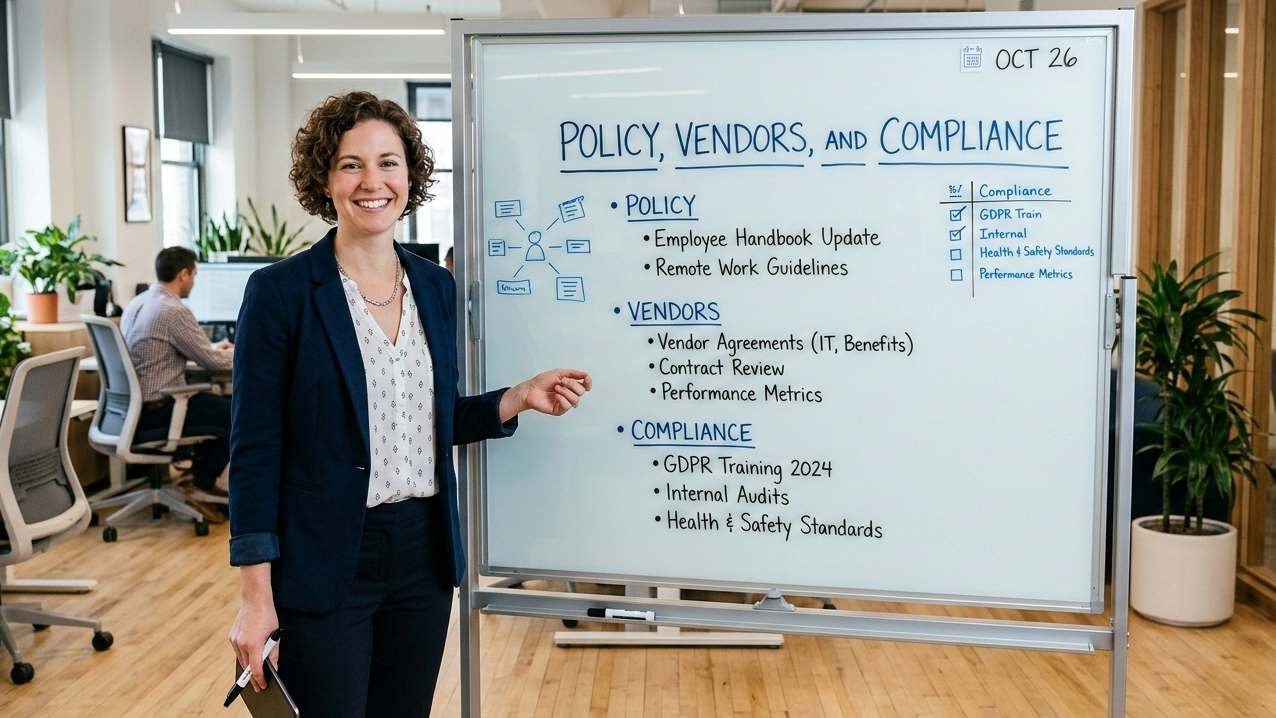
HR Implementation Checklist: Policy, Vendors, and Compliance
Running a BVO home sale program well requires structure. Here's what HR needs in place before the first move.
Policy eligibility. Define who qualifies - all homeowners or executives only? Most companies set a 50-mile minimum distance and require the home to be the employee's primary residence. Also, define excluded property types: mobile homes, farms, and non-standard properties often need special handling.
Vendor selection. Choose an RMC that understands the legal and financial mechanics of a BVO transaction. Look for a strong local agent network and clear communication - every employee should have a dedicated relocation counselor.
Compliance and documentation. The two-contract structure must be followed exactly. The employee cannot sign directly with the outside buyer - all payments and title transfers go through the RMC. Keep an audit-ready file for every move:
- The original listing agreement
- The RMC's purchase agreement with the employee
- The RMC's sale agreement with the outside buyer
- Closing disclosures
This documentation protects you if the IRS ever questions the transaction. Getting the home sale piece right - the right model, vendor, and policy structure - is where relocation programs succeed or fail.
If you're building or updating a US relocation program and need support on the destination side - housing search, settling-in services, area orientation - Expat US works with HR teams and RMCs across 150+ US cities. Get in touch with our team to find out how we can help.

