


American Holidays Calendar: A Guide for Newcomers

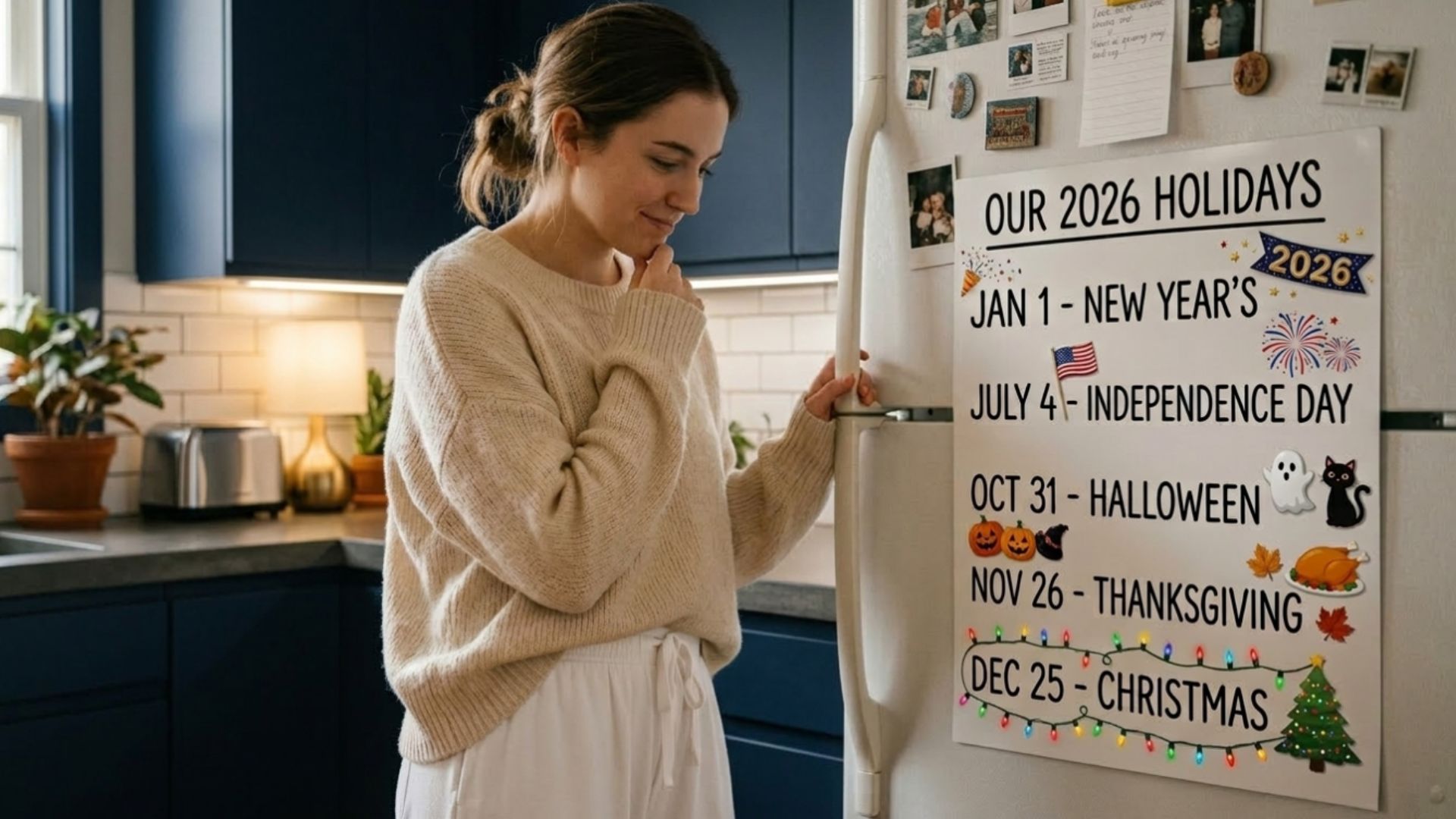
Settling into a new country rarely goes the way you picture it. The big things get most of the attention during the planning phase. But it’s often the smaller surprises that trip you up first. You try to visit a government office on a Monday, only to find it locked with no explanation. You show up to your child’s school for pickup and discover the building is closed for a holiday you’d never heard of. You miss a bank transfer deadline because the whole financial system went quiet for a day.
American holidays don’t announce themselves to newcomers. And unlike in many countries, the US system has enough layers (federal, state, private employer) that even understanding the basics takes a moment. This guide is what we wish every expat family had before they landed: a clear, practical breakdown of how the American holiday calendar actually works and what it means for your day-to-day life.
Types of Holidays in the United States
The US holiday system is less uniform than most newcomers expect. The types of holidays in America fall into four broad categories: federal holidays, state-specific observances, religious days, and informal cultural events.
Federal holidays are the ones that matter most for practical planning. On these days, government offices, courts, post offices, public schools, and most banks are closed. However - and this is the part that surprises many expats - private employers are not legally required to give employees these days off. Whether you get paid time off depends entirely on your company’s policy, not on federal law. Reading your employee handbook on this point is not optional; it’s necessary.
State-specific observances add another layer. Individual states have their own calendars that can differ significantly from the federal one. What’s a day off in Louisiana may be a regular workday in Minnesota.
Retail shops, restaurants, and grocery stores generally stay open on most USA holidays - sometimes with extended hours, particularly around major shopping events. Knowing which institutions close and which stay open is the foundation of navigating the American calendar without unnecessary headaches.
Most Important Holidays in the USA Every Newcomer Should Know
A handful of dates carry enough cultural and economic weight that they reshape the rhythm of the entire country. The most important holidays in the USA for practical purposes are:
- New Year’s Day (January 1).
- Independence Day (July 4).
- Thanksgiving (fourth Thursday of November).
- Christmas Day (December 25).
On these days, expect quiet streets, reduced public transport, and most non-essential businesses closed. Planning grocery runs the day before a major holiday is not optional when everything near you shuts down by noon.
Independence Day is a summer celebration: outdoor fireworks, community parades, backyard barbecues. The atmosphere is relaxed and patriotic, genuinely warm and inclusive for newcomers. Thanksgiving is arguably the most distinctly American of all USA holidays - a full day dedicated to family, food, and football. Travel the day before is chaotic; airports and highways reach their annual peak. Christmas brings the commercial marathon of the holiday season, which starts well before December.
For expat families with children, these important American holidays directly affect school schedules, childcare availability, and after-school programming. Public schools typically close for an extended Thanksgiving break and for the full winter holiday period. If you’re still figuring out childcare and schooling in your new city, our School Search service can help you understand how local school calendars work and what to plan around.
Name Two National US Holidays and Why This Question Matters
If someone asks you to name two national US holidays, they may not just be making conversation. This question appears verbatim on the USCIS naturalization civics exam - the test immigrants must pass to become US citizens. Independence Day and Thanksgiving are the most straightforward answers. Memorial Day, Labor Day, and Veterans Day are equally valid.
The reason this matters beyond the citizenship exam is what it represents: knowing American holidays is woven into civic life here. These dates are not just days off - they carry historical significance that shapes how your neighbors and colleagues relate to the country they live in. Arriving with some understanding of that context helps you connect, not just comply.
United States Celebrations Beyond Federal Holidays
Some of the most culturally significant moments in the American year aren’t on any official government list. United States celebrations like Valentine’s Day, Halloween, Mother’s Day, and Super Bowl Sunday don’t close schools or banks - but they do transform grocery stores, social plans, and workplace conversations entirely.
Halloween deserves particular mention for expat families with children. It’s genuinely community-oriented in most neighborhoods - kids in costumes, candy at the door, streets full of families in the early evening. For newcomers, participating is one of the fastest ways to meet your neighbors. Not knowing it was happening is one of the most reliably embarrassing first-year stories we hear from expat parents.
Important American holidays also look different depending on where you are in the country. Mardi Gras effectively takes over New Orleans in February in ways that have no parallel elsewhere. Juneteenth - now a federal holiday - holds particular significance in the South. If you’ve already chosen your destination city, understanding its local calendar is as useful as knowing the national one.
For a broader picture of what your first weeks in a new US city actually look like in practice, our blog on how to prepare employees for US relocation walks through the full transition - including the cultural orientation that HR teams often underestimate.
How American Holidays Affect Daily Life for Expats
The practical impact of American holidays on daily expat life is real and specific. School closures for Thanksgiving week or spring break can catch working parents completely off guard if childcare isn’t already arranged. Traffic before Christmas rivals anything you’ve experienced in rush hour. Public transport often runs a reduced weekend schedule on federal holidays.
Check your employer’s official holiday schedule in your first week. Don’t assume - ask. Many companies observe additional floating holidays or give extra days around Thanksgiving and Christmas, but these vary enormously between organizations and industries.
The calendar also matters for the administrative side of settling in. DMV appointments, Social Security offices, and local government services all run on federal holiday schedules - and many of these are already hard to access without an appointment. Our Settling-In Services help new arrivals handle exactly this layer: knowing when to go, what to bring, and how to get through the administrative queue without losing days to closed offices.
Embracing American holidays - showing up for the July 4th fireworks, trying the Thanksgiving traditions, letting your kids trick-or-treat - is genuinely one of the fastest ways to feel at home in a new country. The cultural calendar isn’t just logistics. It’s an invitation. And arriving prepared to accept it makes all the difference.
Questions about your upcoming relocation? Our team is here - and we’ve been helping newcomers navigate American life since 2006.

