


Workforce Mobility: How Global Companies Relocate to the US


Expanding into the US is a huge step for any international company. But moving a brand across borders is honestly the easier part. The harder part is moving the people behind it - the ones who actually make the business run. That's where workforce mobility becomes a real strategic priority, not just an HR checkbox.
At its simplest, it's the ability to move employees across countries and time zones to meet business demands, transfer knowledge, or fill leadership gaps where they're needed most. For companies entering the US market, having a solid workplace mobility strategy in place is no longer optional. The US moves fast and plays by strict rules. Whether you're transferring someone from London to New York or from Bangalore to San Francisco, the transition has to be smooth. That means addressing the legal, financial, and personal sides of the move - not just buying a plane ticket.
Companies that get this right use a mix of professional services and digital tools to make sure their best people land in the right place at the right time. The goal is to keep those employees productive and motivated through what is, for most of them, a genuinely stressful life change.
What Is Workforce Mobility? Definition and Business Importance
What is workforce mobility, really? In today's business context, it's the strategic movement of employees between locations to support corporate goals. The old version of this was simple: a company moves someone once, they settle in, and that's it. The modern version is different - it's a continuous, flexible process that includes long-term international assignments, short-term project postings, and even remote arrangements where people work from multiple locations over time.
The business case for investing in this is strong. Global companies use workplace mobility programs for several reasons:
- Bridging skill gaps. When a local market doesn't have the expertise a company needs, they bring it in from somewhere that does.
- Developing future leaders. International assignments are one of the best ways to prepare high-potential managers for global roles. There's no classroom substitute for running an operation in a different country.
- Spreading company culture. Moving team members between offices helps carry values, working styles, and institutional knowledge across borders in a way that video calls can't replicate.
Beyond all that, the opportunity to work in the US is genuinely attractive to many people. Companies that offer international placements have a real edge in recruiting and holding onto top talent.
How Workforce Mobility Services Support International Relocation
Moving an employee to the US requires significant paperwork and coordination. Most global companies don't try to handle it all in-house - they bring in a dedicated workforce mobility service to manage the process. These providers act as the link between a company's HR team and the complicated reality of international borders.
A professional workforce mobility service typically covers:
- Immigration and visas. L-1, H-1B, O-1 - the US visa system is notoriously hard to navigate. Specialists ensure every requirement is met and every deadline is met, so a filing error doesn't delay a critical hire by months.
- Tax and compliance. International tax rules are a genuine minefield. Service providers help both the company and the employee understand what they owe - in the US and back home.
- Logistics. Shipping household goods, arranging temporary housing, setting up utilities - the practical side of moving someone's life to a new country.
When mobility and workplace services work together, the employee arrives with everything they need to start contributing immediately - not spending their first month chasing paperwork or waiting on a shipping container. That "concierge" approach takes the administrative burden off the employee entirely, so they can focus on the job they were brought in to do.
Workforce Mobility Solutions for Global Companies
Managing dozens or hundreds of relocations by hand isn't realistic for a growing company. That's why many firms now use a dedicated workforce mobility solution - a software platform built to track and manage every part of an employee's move. These tools have genuinely changed how HR teams handle global assignments.
A good platform does more than store documents. It becomes the operational backbone of the whole program:
- Real-time cost tracking. Moving expenses, temporary housing costs, stipends, and other relocation costs are consolidated in a single dashboard. That kind of visibility makes it much easier to spot where money is being wasted and keep individual moves within budget.
- Compliance monitoring. Automated alerts track things like visa expiration dates and tax filing deadlines, so nothing slips through. For companies managing assignments across multiple countries, this alone is worth the investment.
- Employee self-service portals. Relocating employees gets a central place to track their move, upload documents, and find local resources. It reduces the back-and-forth with HR and gives the employee a sense of control during a period that can otherwise feel chaotic.
Most of these platforms connect directly to payroll and HR systems, so when an employee moves from one tax jurisdiction to another, their salary, benefits, and withholdings are automatically updated. Less manual work, fewer errors, better experience for the employee.
Challenges Companies Face When Relocating Employees to the US
Even with solid planning, moving talent to the US isn't simple. There are real obstacles that can derail a relocation even when everything looks good on paper.
Immigration is consistently the biggest headache. US immigration policy shifts frequently, and a single mistake in a visa application can result in a denial that sets back a project by months and costs the company significantly. This is not an area where cutting corners makes sense.
Beyond the legal side, companies also deal with:
- Cost of living adjustments. An employee moving from a mid-sized European city to San Francisco or New York is in for a real shock. Salary packages that worked well back home may not cover rent, childcare, and daily expenses in a major US metro. If the financial piece isn't handled properly, employees get stressed fast.
- Cultural adaptation. Moving countries involves more than changing the commute. Communication styles are different. Social norms are different. Even basic things, like the healthcare system, can work in ways that feel completely foreign. Culture shock is real, and ignoring it is a mistake.
- Family support. If the employee's partner can't find work, or the kids are struggling at school, the assignment usually fails - regardless of how well the professional side is going. Workplace mobility planning must include the entire family, not just the employee.
Proactive planning - cultural training, support for partners' career searches, realistic cost-of-living packages - makes a measurable difference in how often assignments actually succeed. Failed relocations, where someone returns home early, are expensive in every sense: financially, operationally, and in terms of trust.
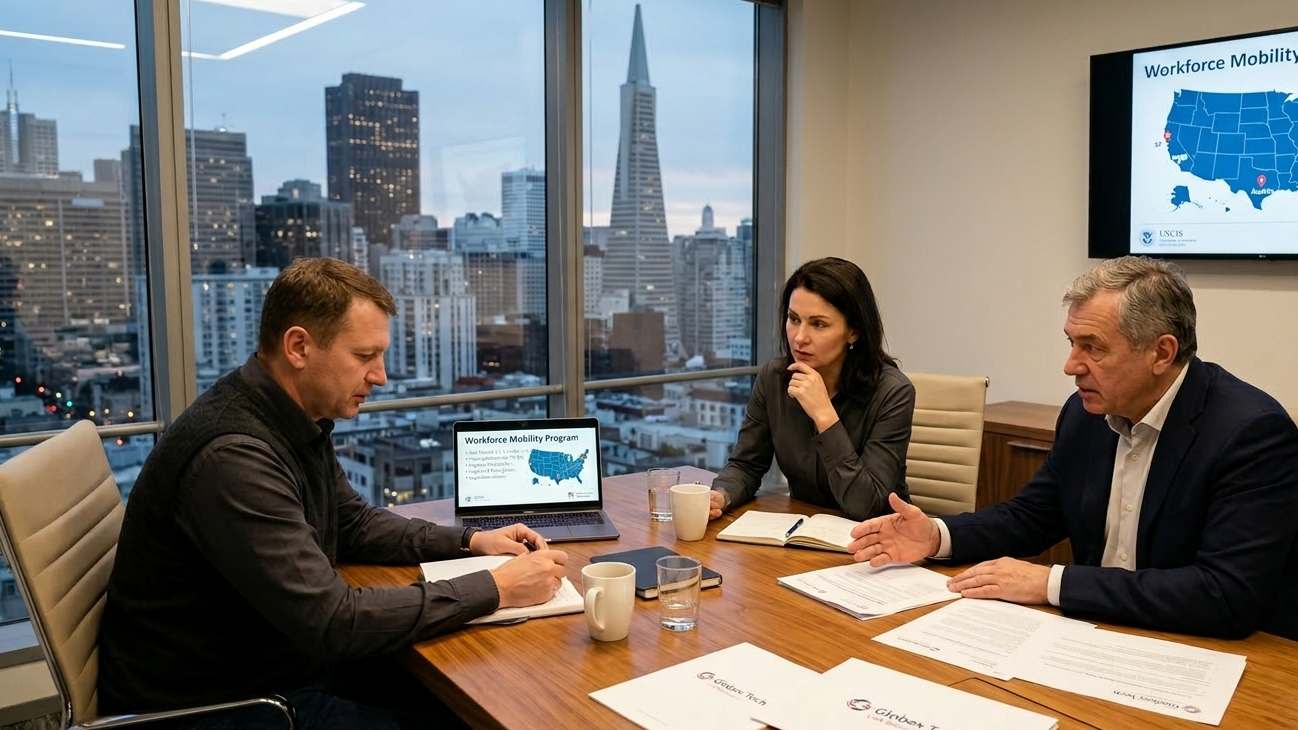
Best Practices for Managing Workforce Mobility Programs
Building a program that actually works long-term means moving away from handling every relocation as a unique, one-off event. Companies that do this well have consistent policies in place and communicate them clearly. Every employee should know exactly what support they'll receive before they ever agree to a move.
A few approaches that tend to work:
- Tiered packages. Different levels of support for different situations - senior leaders moving for long-term assignments get one package, someone on a six-month project gets another. This keeps costs manageable and sets clear expectations.
- Whole-person support. Using mobility and workplace services to cover not just the physical move, but the long-term settling-in process - banking, schooling, healthcare, and social integration. The move doesn't end when the boxes arrive.
- Consistent feedback loops. Surveying employees after their move - and actually using their feedback - helps identify where the process breaks down. The best programs improve continuously because they're built on real data from real people.
The companies that get workplace mobility right don't just move people more efficiently. They build a culture where international assignments are seen as a genuine career opportunity, not a gamble. That reputation travels. It helps attract the kind of talent that's willing to pick up and move for the right opportunity - which, in a competitive US market, is exactly the kind of workforce advantage that's hard to put a price on.

