


O-1 Visa Explained: Extraordinary Ability Work Visa

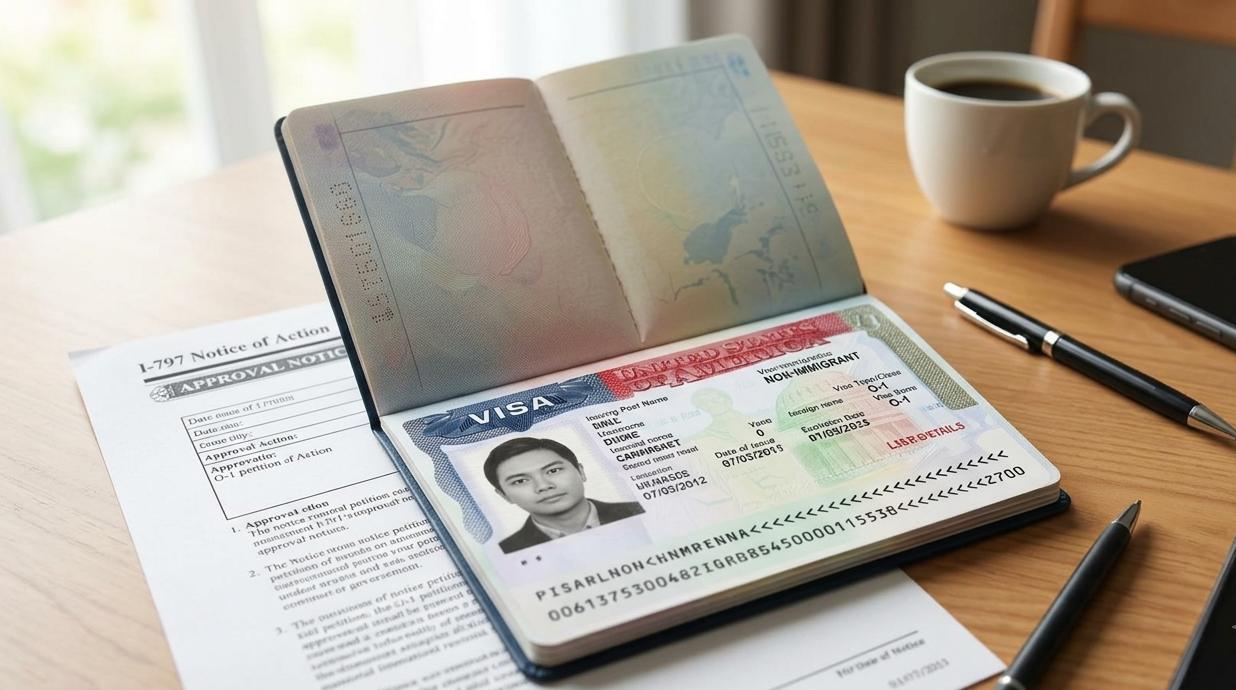
Most US work visas come down to luck. A lottery decides the H-1B, employer-sponsored green cards involve years of waiting, and even category-specific options like the TN visa only apply if you happen to hold the right passport. The O-1 visa is one of the few paths that runs on a different logic entirely: if you can show that you’re genuinely at the top of your field, the government will let you in regardless of nationality, lottery results, or quota limits for that year.
That’s why people often call it the extraordinary ability visa. It wasn’t designed for early-career professionals or general hires; it exists specifically for researchers, founders, artists, athletes, and executives who’ve already built a track record recognized by other experts in their field.
Do you want to know what the O-1 actually requires? How does the evidence-based qualification process work? And how does it compare to alternatives like the H-1B or EB-1? If you’re considering a move to the US on the strength of your professional achievements, this is the visa you should understand first.
What Is the O-1 Visa?
So, what is an O-1 visa, in practical terms? It’s a temporary, employer-sponsored work visa that allows individuals with demonstrated excellence in their field to live and work in the United States without going through a lottery or numerical cap.
The category splits into two tracks, and which one applies depends entirely on your profession:
- O-1A covers science, education, business, and athletics. To qualify, you generally need to show that you’re recognized as being among the small percentage who’ve reached the very top of your field - think a researcher with a breakthrough publication record, or an athlete with national or international titles.
- O-1B covers the arts, film, and television, and the standard here is framed slightly differently: “extraordinary ability” in the arts, or a “demonstrated record of extraordinary achievement” in film/TV - both essentially asking for clear evidence that your work stands out and is recognized by peers and the industry.
The common thread across both tracks is that the O-1 visa rewards a documented history of achievement rather than potential. It’s a strong fit for founders scaling a company, scientists with a publication and citation record, or performers with award nominations and press coverage, and a poor fit for someone just stepping into their field, no matter how promising they are.
O-1 Visa Requirements
Before any paperwork begins, it helps to understand the baseline O-1 visa requirements, as they shape everything else about how the application is built.
The first requirement is structural: you cannot self-petition. A US employer, organization, or authorized agent has to file on your behalf, which means you need a confirmed job, project, or engagement lined up before the process can move forward. This is often the part that surprises people, the O-1 isn’t something you apply for and then go job-hunting with; the offer needs to exist first.
The second requirement is evidentiary, and it’s the heart of the application: USCIS calls it “sustained national or international acclaim.” In plain terms, they want to see that your success isn’t a one-off, and that experts in your field have consistently recognized your work over time, not just once.
In practice, meeting the O-1 visa requirements means assembling a file that typically includes:
- A signed offer or contract outlining your role, compensation, and duration in the US.
- A consultation letter from a relevant peer group, labor union, or industry organization confirming your standing.
- An itinerary of planned work, especially relevant if you’ll be working with multiple organizations.
- Supporting documentation establishing your track record (covered in detail in the next section).
A well-prepared employer or sponsor makes a measurable difference here, because experienced petitioners know exactly which combination of evidence tends to land cleanly with adjudicators, and which gaps trigger requests for additional information that can add months to the process.
O-1 Criteria: How You Qualify
This is where the application becomes genuinely case-by-case. USCIS maintains a defined list of O-1 criteria, but the system is built with flexibility in mind: for O-1A applicants, you generally need to satisfy at least three of eight possible criteria (unless you’ve won a major, internationally recognized award, in which case that alone may suffice).
The most commonly used criteria include:
- Nationally or internationally recognized awards, and this bar is lower than people assume. It doesn’t have to be a Nobel Prize or an Oscar; a respected national award in a competitive field can count, provided you can show it’s genuinely hard to win.
- Membership in selective associations, organizations that require outstanding achievement, as judged by recognized experts, for admission.
- Published material about you, articles in major publications or trade media where you, specifically, are the subject, not a passing mention.
- Original contributions of major significance, a product, methodology, research finding, or business approach that made a measurable impact on your field.
- A high salary relative to others in your field, demonstrable through tax records, contracts, or comparative industry data.
- A leading or critical role at a distinguished organization or establishment.
The honest takeaway here: this isn’t a checklist you fill out hastily. Each criterion needs documentary backing (letters, press clippings, contracts, financial records), and the strength of the overall package often matters more than technically “checking three boxes.” A thin case across five criteria can be weaker than a strong case across three.
How to Get an O-1 Visa
Once the underlying case is solid, the how to get O-1 visa process follows a fairly predictable sequence, though each step has its own lead time to plan around.
- Secure a peer consultation letter. This often takes the longest to arrange, since it depends on a third-party organization’s availability. Start here first.
- Build the evidence file. Think of this as a career portfolio - awards, press, contracts, salary data, and letters of recommendation, organized with your strongest evidence first.
- File Form I-129. Your employer or agent completes and submits this petition, specifying your role, compensation, and the duration of your stay.
- Submission to USCIS. The petition goes in along with your supporting documentation.
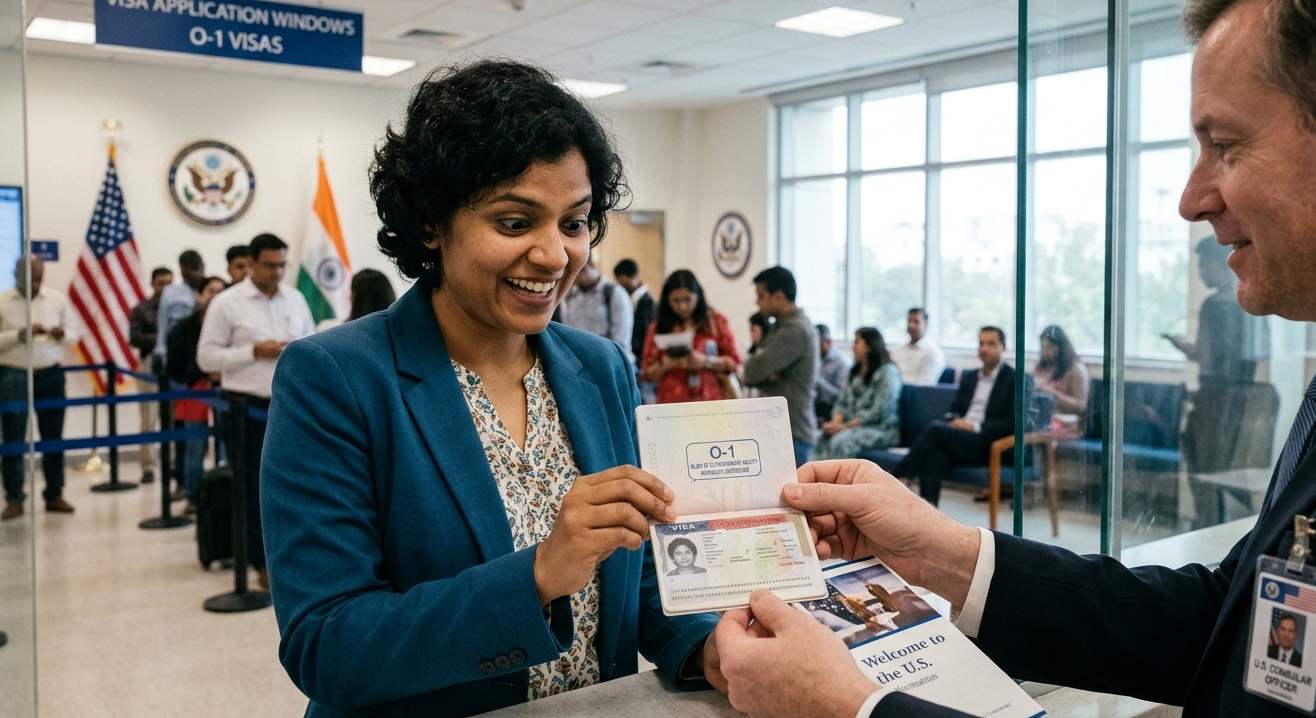
- Finalize your status. If you’re already in the US with a valid status, this may mean a change in status. If you’re abroad, the approval notice is followed by a visa interview at a US consulate to get the actual visa stamp in your passport.
None of these steps is difficult individually, but they’re sequential, and each one has dependencies, which is exactly why timelines tend to stretch further than people initially expect.
O-1 Visa Processing Time
Here’s the part that catches people off guard most often: the O-1 visa processing time quoted by USCIS only covers government review, not everything that happens before filing.
Standard USCIS processing typically runs two to four months, though this fluctuates with caseload. Premium Processing is available for an additional fee. It guarantees a decision (approval, denial, or request for more information) within 15 calendar days, but it only accelerates the review stage, not the preparation.
The preparation stage - gathering evidence, securing a peer consultation letter, drafting the petition - realistically takes another three to four months on its own, especially if any documentation needs to be tracked down from previous employers or institutions abroad.
Taken together, a six-month runway from “let’s start the O-1 process” to “visa in hand” is a realistic target, and it’s the number we typically give clients when they’re also coordinating things like housing and settling in around a confirmed start date. Starting late is the single most common cause of avoidable stress in this process, not because the visa is unusually hard, but because there isn’t enough runway left to fix small issues if they come up.
O-1 vs. Other Work Visas
If you’re weighing your options, it’s worth understanding how the O-1 visa compares to the alternatives most people compare it to.
The H-1B is the most common comparison, mainly because it’s the visa most people have heard of. The core difference is structural: the H-1B is capped annually and allocated by lottery, which means even a fully qualified applicant can simply not be selected in a given year. The O-1 has no annual cap and no lottery - if your case meets the bar, approval doesn’t depend on registration timing or luck.
The EB-1 green card category is another frequent comparison, and it’s worth being clear-eyed about the difference: EB-1 grants permanent residency, but the evidentiary bar is generally higher, and the timeline is measured in years rather than months. For many people, the extraordinary ability visa functions as a practical first step - it gets you working and living in the US relatively quickly, and an EB-1 application can follow later once you’ve established yourself further.
One detail worth knowing if you’re planning a move with family: O-1 holders can bring a spouse and unmarried children under 21 on O-3 status. They can live in the US with you, attend school, and travel - though O-3 dependents are not authorized to work.
Navigating an O-1 application alongside an international move is a lot to coordinate at once - visa timing, housing, schools if you’re relocating with family, and the logistics of actually settling into a new city while your petition is still in process. That’s where Expat US’s visa assistance fits in: we work alongside your immigration counsel to make sure the relocation side - housing, settling-in, school search - lines up with your visa timeline instead of working against it.
Ready to plan your move? Whether you’re relocating as an individual on an O-1 or you’re part of an HR team sponsoring talent under O-1 status, get in touch with our team for a free consultation. We’ll help you map out a realistic timeline, visa, housing, and everything in between, so the only thing you need to focus on is the work that got you here in the first place.

